1918-1920
Early Developments
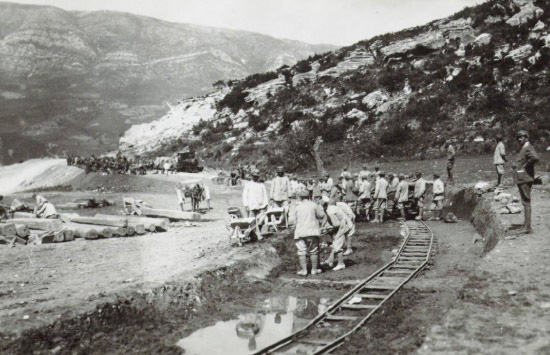
1918: The early stages of railway development in Albania began after World War I, with initial plans for a railway network to improve connectivity and stimulate economic growth.
1920: Albania’s first significant railway line, connecting Durrës to Tirana, was inaugurated, marking the beginning of the country’s railway infrastructure.
1940-1945
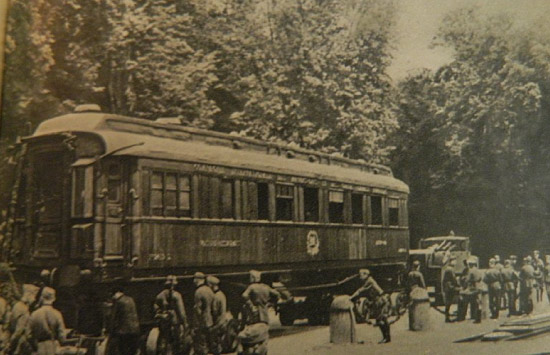
WWII Era
1940: During World War II, Albania’s railway system faced disruptions due to the Italian occupation. Efforts were made to modernize and expand the network to support military and logistical needs.
1945: Post-war reconstruction began, with an emphasis on repairing and expanding the railway network to support the country’s recovery and economic development.
1960-1980
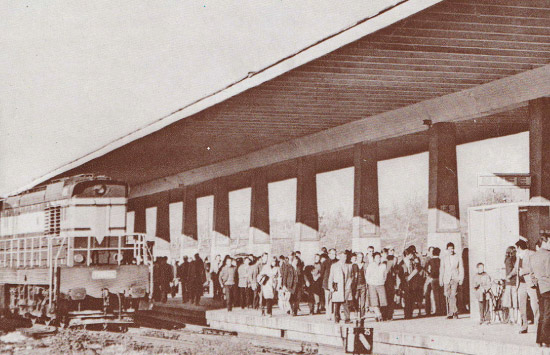
Expansion and Modernization
1960: The construction of the railway line from Shkodër to Durrës was completed, significantly enhancing the transportation of goods and passengers across the country.
1970s: Major investments were made in railway infrastructure, including the modernization of existing lines and the introduction of new technology. The focus was on improving safety, efficiency, and capacity.
1991-2000
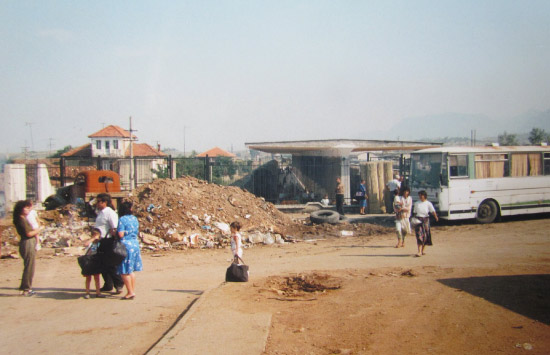
Transition and Challenges
1991: The collapse of communism brought significant changes to Albania’s political and economic landscape. The railway system faced challenges due to the transition to a market economy, requiring substantial reforms and investments.
1995: Efforts to modernize the railway network continued, with international assistance and funding aimed at improving the quality and reliability of the railway services.
2010-2020
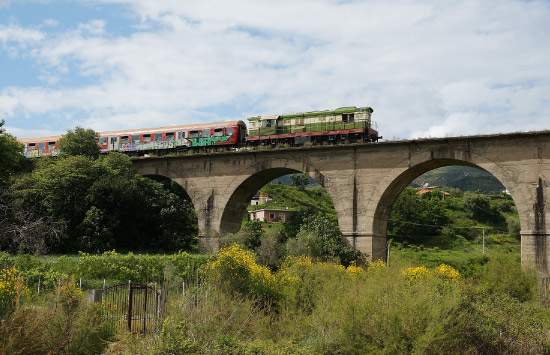
Continued Development
2012: The Albanian government undertook a comprehensive railway strategy, focusing on further infrastructure improvements, including the construction of new tracks and stations.
2016: A new line connecting the port of Durrës with the northern regions was inaugurated, enhancing the strategic importance of Albania’s railways for international trade.
2020 and Beyond
Future Plans
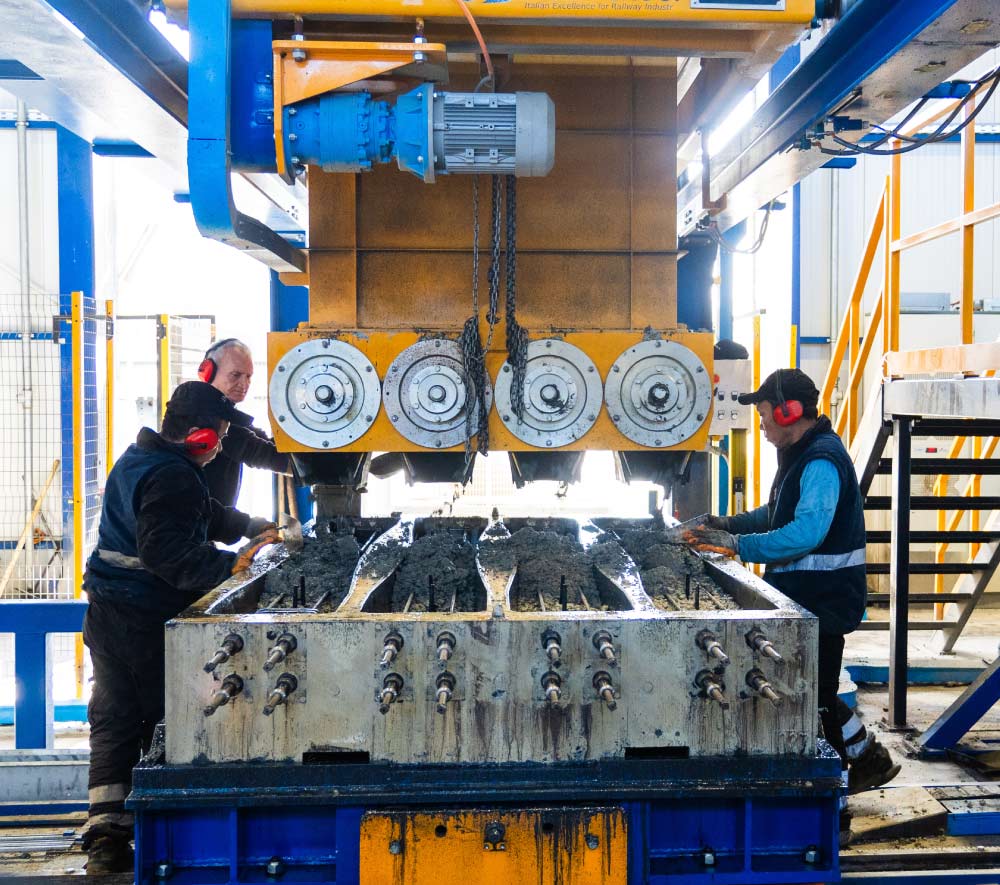
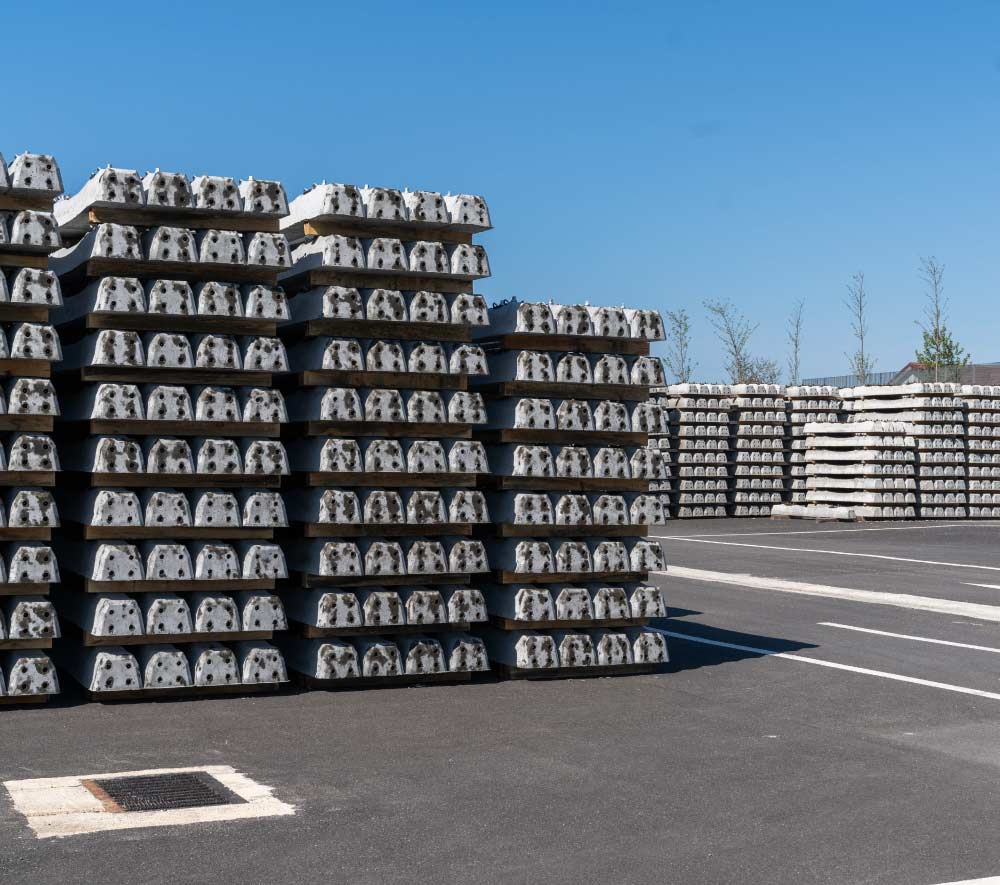
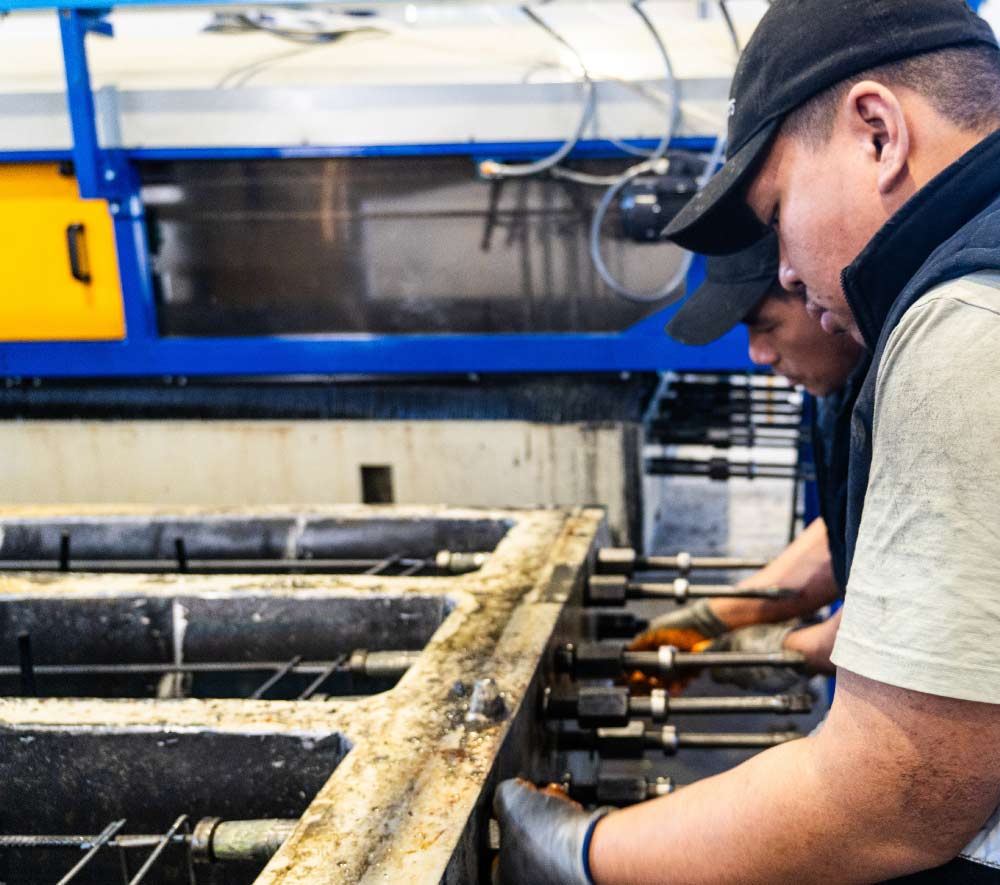
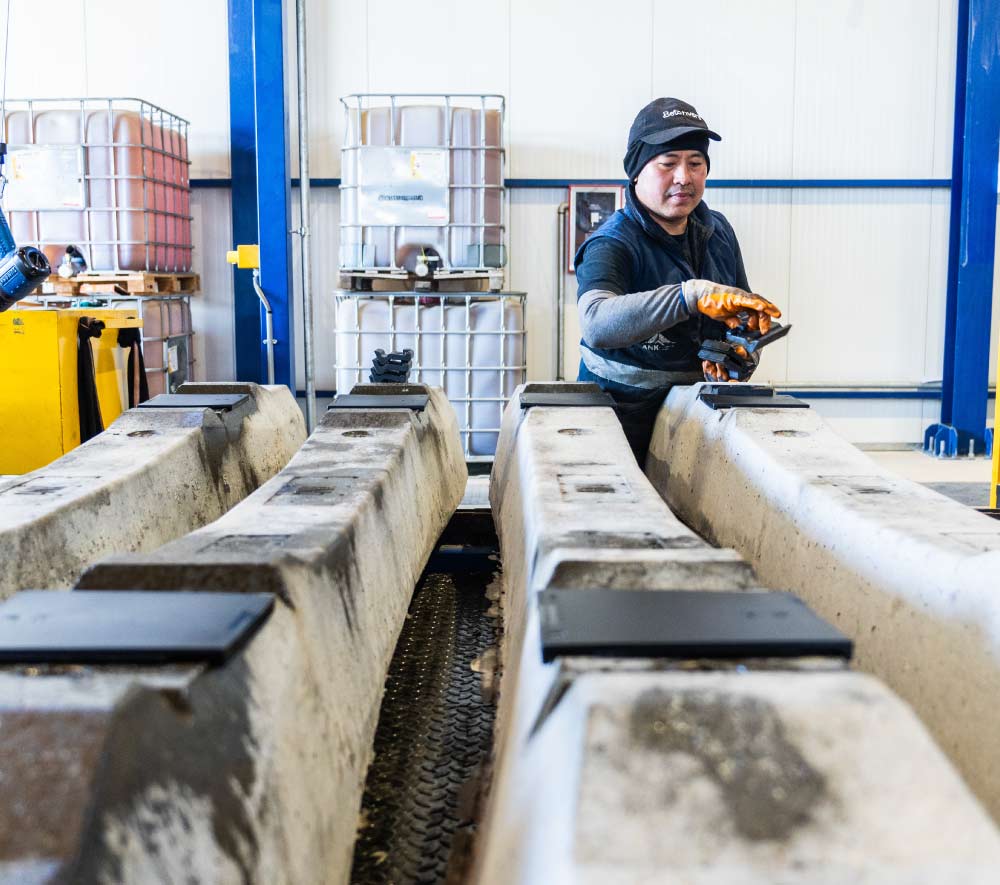
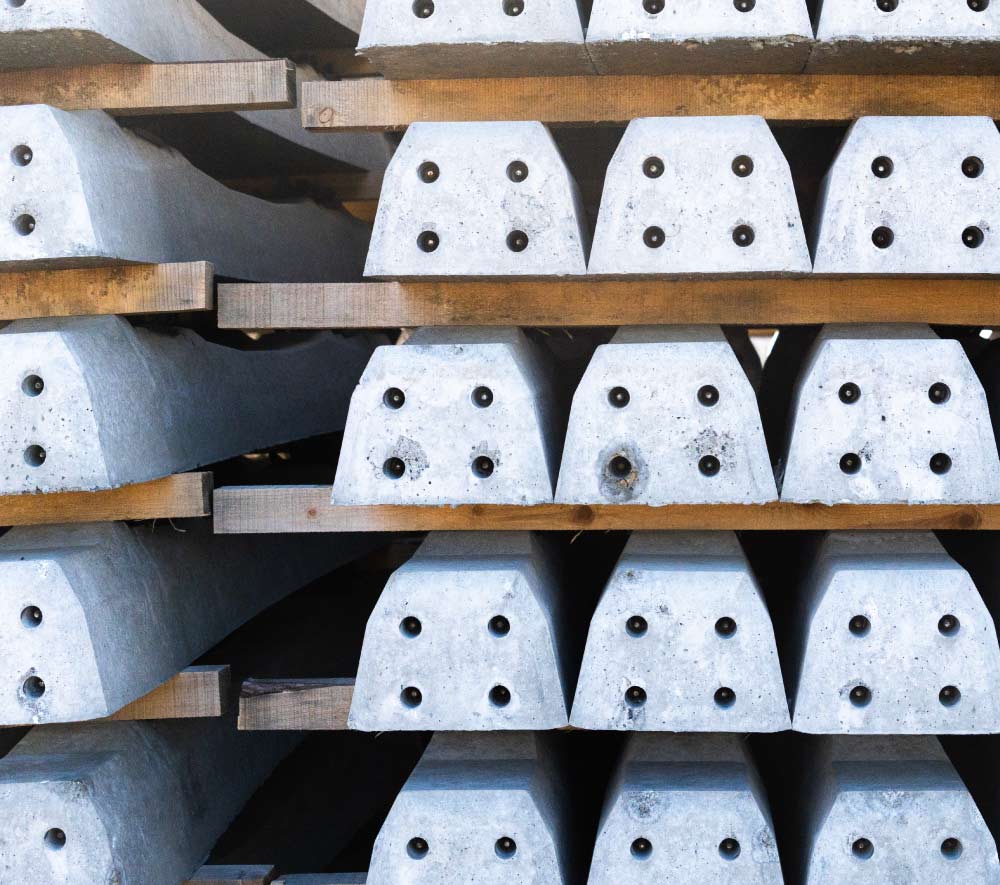
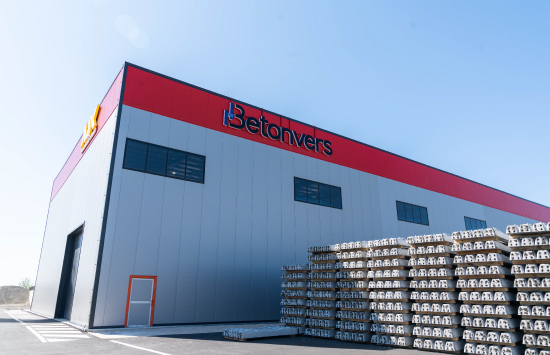
The Albanian railway network is set to undergo further enhancements, with Betonvers playing a crucial role in providing advanced concrete sleepers to support future expansions and improvements. The focus will be on increasing efficiency, safety, and environmental sustainability.